Conflicting Demands and Competition From All Sides
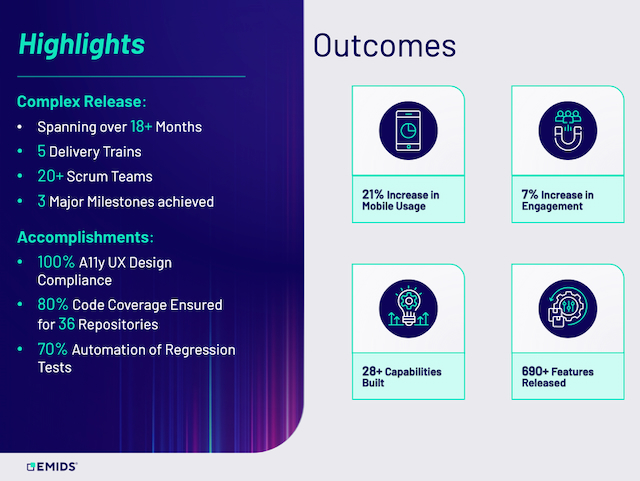
The client company was investing heavily in a new wellness platform, driven by large client demands and a need to stay competitive in a saturated market.
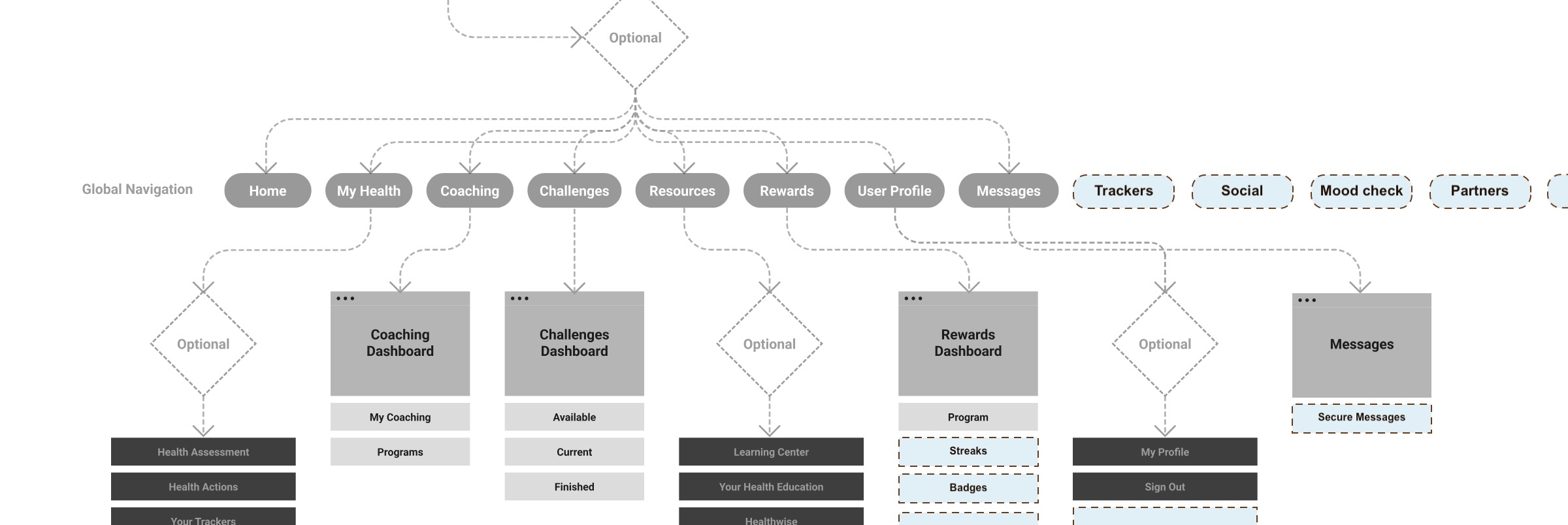
Feature requests were constant and often conflicting. Product decisions were being made reactively, with no clear prioritisation framework. As a result, the roadmap was expanding in multiple directions at once, with increasing delivery risk and little alignment across teams.
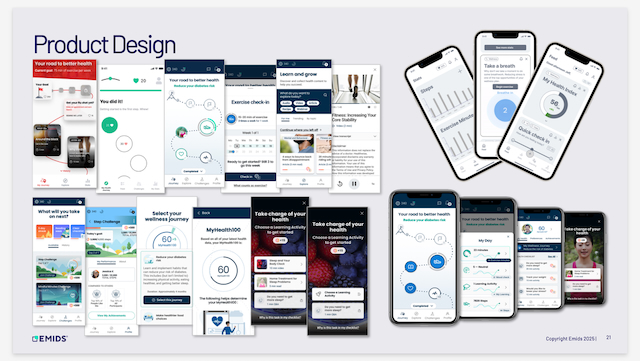
Our team was tasked with providing strategic direction for the overall user experience, and delivering a redesigned platform with significant improvements.
Balancing Customer Demands with User Needs
Direct access to end users was limited, and internal perspectives were heavily influenced by sales pressure and competitor activity.
The team needed clear direction, but lacked the evidence and shared understanding required to make confident, strategic decisions for user experience improvements.
Triangulating Insights with Mixed Methods
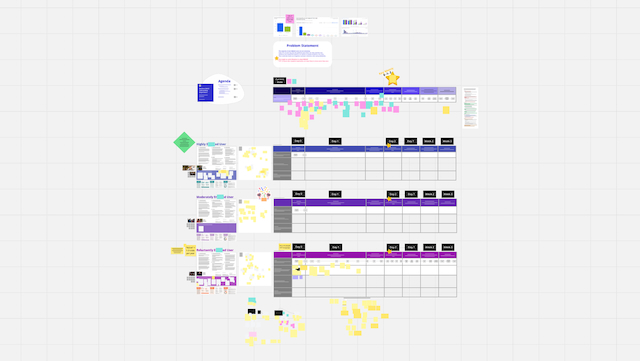
I focused on building a defensible foundation for decision-making by pulling together multiple sources of data and connecting user needs to business priorities.
- Synthesised existing behavioural data to identify usage patterns and drop-off points.
- Designed and deployed targeted surveys to capture user motivations and unmet needs.
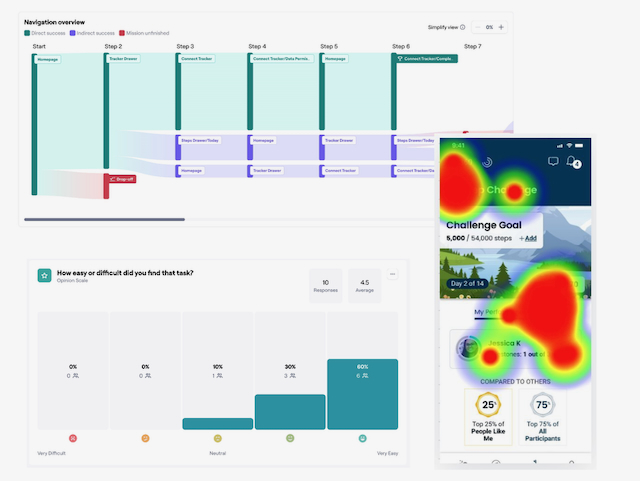
- Ran unmoderated usability studies to evaluate key workflows at scale.
- Conducted structured competitor analysis to separate parity needs from true product differentiation in the market.
- Incorporated academic and industry research to validate patterns where direct access was limited.
- Facilitated working sessions to translate insights into roadmap decisions.
Providing for Core User Needs > Feature Bloat
- Many customer-requested features addressed edge cases rather than core user needs.
- Critical usability gaps were undermining adoption of existing functionality.
- Competitor parity was driving reactive decisions without improving user value.
- Users prioritised simplicity, clarity, and outcomes over feature breadth.
Clear Focus Areas for Product Roadmap
- Reframed the product roadmap around highest-value user needs.
- Reduced internal conflict by grounding decisions in shared evidence.
- Deprioritised low-impact features, narrowing scope and improving focus.
- Increased leadership confidence in product direction.
- Established a repeatable, evidence-based approach to prioritisation.
The Team's Top Fact-Finder
As the sole researcher, I guided the product team from fragmented, assumption-driven debates to a clear, evidence-based direction.
I introduced structure where there was none, connecting disparate data into a coherent narrative and ensuring that research directly informed product strategy. My role extended beyond insight generation to actively shaping what the organisation chose to build.